Do you want to increase sales for your company? Start by applying strategies that help you understand your customers better. These practical tips on getting to know your customers better can help businesses build stronger relationships and improve long-term growth.
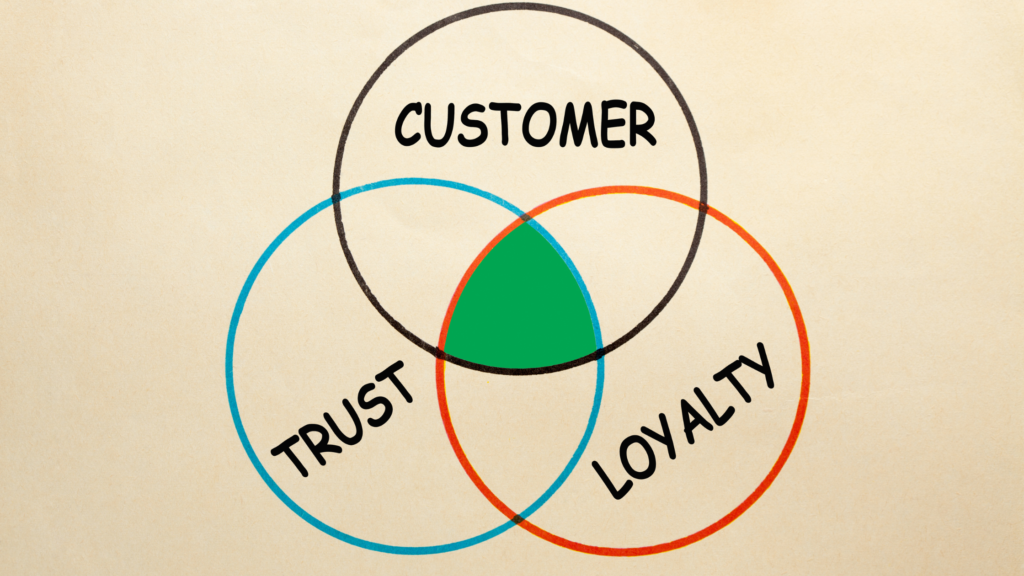
Customer loyalty is a major factor in higher income since, according to studies, acquiring a new customer can cost several times more than retaining an existing one. Providing outstanding customer service and maintaining customer satisfaction strengthens customer loyalty and encourages repeat purchases. The key is to gain a thorough understanding of your clients.
You may create more intelligent marketing techniques by examining specifics like purchasing preferences and the elements impacting their choices. Customer relationship management (CRM) systems can be very helpful in this situation by assisting you in precisely and easily analyzing previous behavior, forecasting future demands, and eventually increasing revenue.
We’ll go over some strategies for improving your understanding of your clients in this post. By understanding and applying these strategies in your business plan, you can improve customer engagement and create more upselling opportunities. So let’s take a closer look at how you might influence your customers’ thoughts.
Ways To Understand Your Customers Better
1. Recognize Trends In Consumer Behavior In Real Time
Consumers now want a flawless purchasing experience at every stage of the process. Both conventional and digital encounters fall under this category. You must create a company that operates on a proactive basis in order to do this. Even before your customers have done it on their own, you must be able to predict and recognize their future needs.
Are you wondering how these strategies for understanding your customers actually work? You may do that by examining client data in real time using a basic CRM application. Many businesses invest in enterprise-level CRM platforms to analyze customer activity more deeply.
One effective way to communicate with customers in real time and collect data based on that interaction is via the email marketing function of a CRM system. With a CRM system, you can:
- Monitor the effectiveness of your email marketing initiatives.
- Use data like Total Sent/Attempted, Opened/Viewed, Link Clicked, Unsubscribed, and Bounce/Invalid to monitor each campaign’s outcome.
- Identify your audience’s preferences and interests to better understand their behavior.
- CRM dashboards can display customer insights using visual tools such as bar charts, pie charts, and line graphs.
2. Analyze Data Across All Touchpoints
We are inundated with data in the digital era. For companies seeking to get a deep and meaningful understanding of their client base, consumer metrics and insights are extremely valuable for analyzing customer behavior. However, are you making the most of your data?
Tools such as Google Analytics are widely used to gain insights from demographic and behavioral data. It provides detailed insights into the habits, preferences, and behaviors of your customers and enables you to go deeper into other data sources across touchpoints.
You may create profiles or personas that enhance your marketing communications and assist you in calculating social media ROI by using a combination of mobile data platforms and social media analytics tools to gather a variety of detailed information across your main consumer touchpoints.
3. Determine and Classify Your Clients
Avoid placing all your customers into a single category if you want your marketing efforts to have a significant impact. Placing all customers in one group often results in generic cross-selling campaigns that rarely generate meaningful revenue. Therefore, it is important to understand the key factors involved in customer segmentation.
The kind of goods or services your consumers have purchased, the frequency of their purchases, their geographical location, etc. may all influence the segmentation. Once you’ve separated and classified your consumers, creating marketing and upselling campaigns using a tailored message becomes a lot simpler. Such personalized campaigns are more likely to improve conversion rates and sales.
4. Start Conversations With Your Customers
Starting a conversation with your consumers is one of the most straightforward and efficient tips on getting to know your customers better. By meeting your consumers where they are and asking intelligent, non-intrusive inquiries, you may get insight into how they engage with their peers. Furthermore, if you ask the appropriate questions, you will get the proper answers, which will greatly enhance your brand experience.
Surveys, polls, and social listening are effective methods for engaging customers and learning more about their preferences. User-generated content (UGC), on the other hand, is perhaps one of the best ways to engage customers in meaningful dialogue and speak their language.
In addition to helping you understand your customers better, user-generated content also builds credibility and trust. Nevertheless, it can be a valuable strategy, especially if you want to appeal to Gen Z audiences. This also has to do with influencer marketing, which is an excellent way to connect with new and engaged audiences.
5. Use Social Media To Increase Client Engagement
Studies estimate that consumers spend about 147 minutes per day on social media. This demonstrates that social media is an essential marketing tool and has the power to significantly impact consumer perceptions.
Your team has to actively interact with your target audience on social media since it is a major tool in today’s digital environment. Create an all-encompassing social media strategy to interact with your consumers where they spend the majority of their time. This approach can significantly improve customer engagement.
6. React To Both Favorable And Unfavorable Assessments
Reacting quickly and effectively to both good and negative feedback is always beneficial. You should continue to be committed to responding personally to customer evaluations in the public domain, regardless of where they are placed. By doing this, you will get additional conversational insights, humanize your business, and demonstrate your dedication to the consumer experience.
Research shows that many customers rely on online reviews before choosing a business, while 9 out of 10 consumers examine reviews when choosing a local company. Reviews are thus a crucial trust indicator, and responding consistently is crucial—and doing so will provide you access to a plethora of new consumer insights.
Take the time to respond to customers, whether their feedback is positive or negative. Taking the time to respond thoughtfully can significantly improve customer trust and engagement.
7. Host An Event
If done correctly, experiential marketing can be a powerful way to understand your customers better. Consumers nowadays are more picky and expect experiences in addition to tailored messages and content. There are high expectations for companies since 62% of customers want them to engage with them, and 72% want them to contribute positively to society.
Large brands sometimes create immersive digital experiences that allow customers to interact with products or services in new ways. However, there are additional options for smaller budgets, such as live event hosting on Facebook or TikTok. LinkedIn is now a fantastic venue for B2B companies to hold seminars or workshops.
Therefore, create opportunities to share your brand values with customers in a more personal way, whether you host a brand event or create a concrete experience (physical or virtual). This also helps you understand audience segments beyond what digital metrics alone can reveal.
8. Start A Loyalty Scheme
In addition to increasing client retention rates, establishing a customer loyalty program will provide an ongoing channel of communication between your audience and your business. Research suggests that a brand’s loyalty program increases the likelihood that 79% of customers will continue doing business with it.
Customers are now given access to early discounts and special deals in addition to being kept up to date on news and developments via this kind of program. Many companies use loyalty programs that reward repeat customers with points, discounts, or exclusive benefits.
9. Create Detailed Customer Profiles
Good relationship management depends on a structured and centralized client database. When companies combine all customer information into one platform, teams can quickly access, update, and share data without delays or errors.
This unified view improves communication, lowers mistakes, and guarantees that every customer gets individualized and consistent service. Cloud-based CRM systems have become the norm in the sector because they can effectively store, process, and protect massive volumes of data while still being accessible from anywhere.
Their scalability allows businesses of any size to build detailed customer profiles, monitor behavior patterns, and keep an eye on engagement on many channels. As a result, organizations can simplify internal processes, improve decision-making, and finally maximize customer interactions to foster better, lasting connections.
Read More: How To Identify Your Target Audience
Make Your Communications Unique
Personalizing your messages is absolutely essential if you want to build better relationships with your customers, whether that’s through phone calls, face-to-face meetings, social media interactions, or email marketing. Customers who think a company appreciates their unique requirements, tastes, and worries are more inclined to trust the brand and stay loyal throughout time.
Personalization goes beyond just calling customers by name; it means using pertinent information to customize messages, suggestions, and solutions that really mirror the particular situation of every client. Drawing on observations like purchase history, habits of behavior, or feedback, you can create messages that seem significant and intentional to provide customers a real sense of value and relevance.
Using client data responsibly also helps companies provide more focused and successful marketing campaigns. Personalized communication enables you to provide offers and information that appeal to particular customer groups rather than general, broad messages. This ultimately improves general corporate performance, strengthens satisfaction, and raises participation.
Applying these strategies will help you better understand your customers and build a strong foundation for long-term relationships. Remember that good client relationship management is a continuous process, not a one-time event.
You have to keep listening, learning, adapting, and trying to get better based on what your audience needs, which is always changing. Keeping a dedication to individualized communication and careful involvement will keep your company current, trusted, and ready for long-term success as customer expectations change.
FAQ
Q: What is the sales 3-3-3 rule?
A: It’s simple yet effective. By following this guideline, you can: -Invest in three marketing channels where your target audience spends time; -Focus on only three important messages about your brand or product; -Select three primary audience categories to target. Why is this so effective? It compels you to make the most important things clear and simple.
Q: Why is it crucial to understand your clients?
A: Companies may create effective marketing strategies and boost total sales and income by getting to know their consumers and learning why they buy goods or services.
Q: Why is it important to know your customers?
A: Know Your Customer (KYC) is primarily used to confirm customer identities and stop financial crimes, including fraud, money laundering, and terrorist funding. It also helps companies manage risk and better understand their customers for better customer service. In order to protect the integrity of the financial system, financial institutions are required by law to verify the legitimacy of each customer and the legality of each transaction.