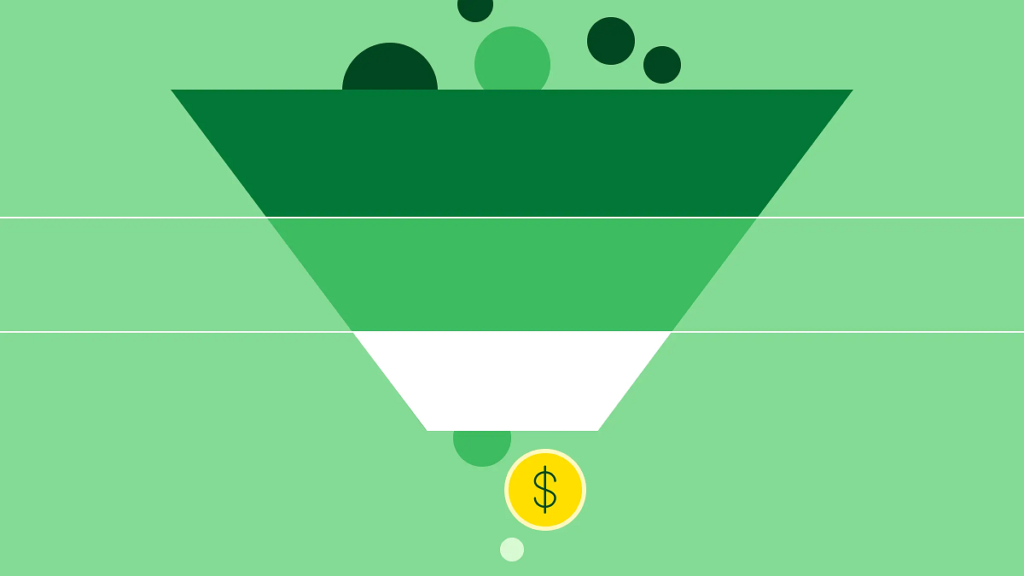
Are you having trouble producing content that encourages conversions and fosters audience trust? You’re not alone. Industry research consistently shows that many marketers invest heavily in funnel-based content strategies, yet still struggle to see meaningful results. The real challenge lies in understanding how to use a content funnel in a way that creates value at every stage, not just traffic.
So how can you make sure your material feels relevant, helpful, and genuinely unique? Trust-building content is timely, relatable, human, and focused on solving real problems rather than pushing sales. We’ll walk you through each step of the content marketing funnel in this blog, from drawing in prospects to turning them into devoted clients.
We’ll go over useful tactics, real-world examples, and doable advice to maximize every stage of the funnel and boost your content marketing initiatives. Let’s get started and make your content marketing efforts really stand out!
Ways to Use a Content Funnel
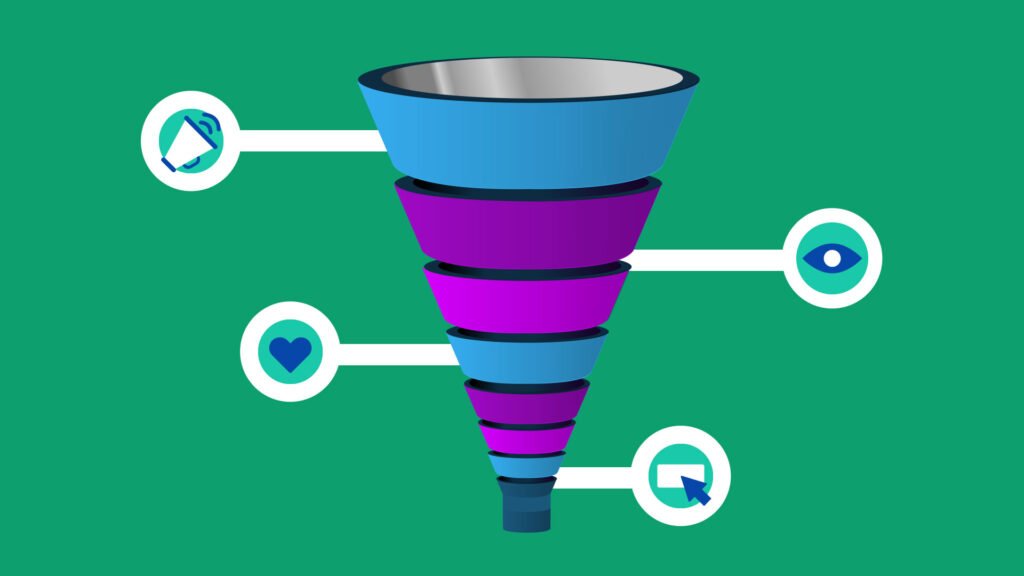
1. Create Educational Content
Potential customers are now actively looking for thorough and reliable information on your goods, services, or company, rather than just casually browsing at this phase of the buyer’s journey.
They wish to find out what distinguishes you from rivals and how your ideas could satisfy their particular requirements. Giving them excellent instructional resources, like in-depth articles, case studies, white papers, or explainer videos, will help them gain confidence and bring them closer to making a purchase.
This content should anticipate common questions, clarify concerns, and offer practical guidance to assist potential clients in making a wise choice. You not only meet their demand for information by presenting your business as a trustworthy and honest authority, but you also build their confidence and raise the probability of turning them into devoted consumers.
2. Use Case Studies and Testimonials
Strong marketing tools that help to establish credibility, trust, and genuineness with potential clients are testimonials and case studies. Actual testimonies from happy customers highlight actual experiences and good results, therefore enabling possible consumers to see how your goods or services may satisfy their own requirements.
Likewise, thorough case studies advance one step further by showing quantifiable outcomes, success stories, and problem-solving scenarios proving your knowledge and dependability. By reassuring potential clients that others have experienced actual advantages from your products, these kinds of social proof strengthen your assertions and increase their plausibility and power.
Testimonials and case studies, when carefully shown on your website, social media, or sales materials, not only confirm the quality and efficacy of your products but also build an emotional link that inspires prospective clients to proceed with assurance.
3. Offer Free Trials and Demos
An effective way to move prospects forward in the funnel is by offering free trials and demos. Giving this chance eliminates obstacles to purchase and enables possible consumers to get past any concerns or questions they might have about value, functionality, or quality.
Through a practical experience, they may independently assess whether your product satisfies their demands, fits their workflow, or addresses their particular issues. It also increases trust since potential customers can see that you confidently stand behind what you’re offering.
You can interact with users, address queries, and emphasize major points or advantages that distinguish your solution during the trial or demonstration period. This individualized experience builds confidence and encourages long-term use and stronger customer retention.
4. Personalize Your Content
Making your material unique is a great approach to create closer, more meaningful relationships with potential clients and make them feel truly appreciated.
Your audience is more likely to interact favorably and react when they think your communications are meant just for them. Including individual touches like their name, industry, past interactions with your company, or even location will help you to get this.
Personalizing material in this manner demonstrates your awareness of their particular requirements, preferences, and difficulties. Personalized emails, focused blog recommendations, or local deals all help to give your message a genuine and relevant feel by adding these considerate touches.
This strategy not only draws attention but also builds trust and loyalty since consumers value companies that view them as people rather than only another lead. Personalization ultimately improves customer engagement and strengthens long-term relationships.
5. Use Retargeting Ads
Retargeting advertisements helps you keep top-of-mind with potential clients who have previously expressed interest in your goods or services. You softly remind people of your products and inspire them to interact again by strategically showing tailored ads to those who have either visited your website or engaged with your brand before.
This approach keeps your value proposition visible throughout the decision-making process. Promote your middle-of-the-funnel (MOFU) material, such as case studies, webinars, or product manuals, using retargeting advertisements to give greater insights and build interest.
Presenting timely, useful, pertinent information can help you to allay any doubts and inspire possibilities to get closer to conversion. Retargeting keeps your brand visible, reinforces your value proposition, and increases conversion likelihood.
6. Produce Valuable TOFU Content to Raise Awareness
Your goal at the top of the funnel is to draw attention, pique interest, and establish first trust. Instead of actively pitching your product, the content here should address general issues, queries, or interests of your target audience. For instance, blog entries, postings on social media, infographics, and brief films.
You begin to cultivate goodwill by providing value up front without expecting anything in return. At the top of the funnel, the primary goal is to build awareness among people who are just discovering your brand. Effective TOFU content expands your audience, increases traffic, and creates the foundation for your funnel.
Read More: 9 AI Solutions for Sales Funnel Optimization
7. Utilize BOFU Content to Promote Conversion and Decision-Making
A possible client is ready to buy once they get to the decision phase, but they still require assurance, proof, and a smooth experience to confidently commit. In this case, material from the bottom of the funnel (BOFU) is really important since it provides the last convincing nudge.
This covers product demonstrations, free trials, comparison charts, testimonials, pricing guides, and thorough specifications stressing the worth of your goods. Simplicity and clarity are at this point very important. Eliminate friction by responding to last-minute inquiries, noting typical concerns, and highlighting actual success stories as social evidence.
A clear and direct call to action can guide prospects naturally toward conversion. Carefully optimized BOFU material converts curiosity into action—turning a warm, interested lead into a delighted paying customer ready to trust and support your brand.
8. Expand the Funnel to Advocacy and Retention
Your content funnel’s ultimate aim isn’t conversion; it’s only the start of a more drawn-out, more meaningful relationship. Real business success results from keeping customers and converting them into devoted repeat buyers or advocates. Post-purchase phases emphasizing retention and advocacy are hence included in many modern content funnel strategies.
At this level, content should keep providing value by means of how-to tutorials, product upgrade announcements, exclusive client resources, and loyalty or referral schemes. These activities guarantee that consumers are interested, happy, and linked to your company.
Happy customers typically develop into enthusiastic brand ambassadors who, by means of favorable word-of-mouth, help draw fresh leads and lower general acquisition costs. Nurturing this long trip guarantees that every conversion keeps producing long-term returns and sustainable corporate growth, hence raising client lifetime value.
About Content Marketing Funnel Audit
Knowing how to use a content funnel and how your content performs at each stage of the funnel is essential for content marketers. You may find opportunities and gaps in your content strategy with the use of a content marketing funnel audit.
You must classify your content according to the top, middle, and bottom phases of the funnel in order to do a content marketing funnel audit. While middle-of-funnel content seeks to engage and educate prospects, top-of-funnel content is intended to draw in new visitors and increase awareness.
Converting prospects into customers is the main goal of bottom-of-funnel content. After classifying your material, you can use metrics like traffic, engagement, and conversion rates to assess how well it is doing. To make sure your content fits the requirements and interests of your target audience, you also need to assess its quality and applicability.
Identifying gaps in your content strategy is a crucial part of the audit. For instance, you could discover that you have a lot of material at the top of the funnel but not much in the middle or bottom. You may develop a more balanced content strategy that leads prospects down the funnel by addressing these gaps.
Overall, a content marketing funnel audit helps maximize the impact of your content strategy. This allows you to build a more efficient, focused content strategy that delivers results by assessing the performance of your content and finding any gaps.
FAQ
Q: Why is understanding a content funnel vital for business success?
A: Using tailored content, a content funnel strategically leads possible consumers via several phases of their purchasing path—from awareness to consideration, conversion, and retention. Success in business depends on it since it provides the appropriate information at the right time, draws in the right audience, develops trust, and turns leads into devoted customers.
Q: What content works best at each funnel stage?
A: For better results without making it complicated, start here:
- Top of Funnel (TOFU) includes social posts, infographics, and blogs meant to increase visibility.
- Middle of Funnel (MOFU): Case studies, guides, and webinars (to stimulate interest).
- Bottom of Funnel (BOFU): Demos, free trials, and testimonials (to increase conversions).
Q: How could I evaluate the efficacy of my content funnel?
A: Follow metrics including lead generation, conversion rates, customer retention, website traffic, and engagement rates. Identify where potential customers drop off at different stages of the funnel using analytics tools, then modify your content plan to raise performance and maximize ROI.